
Introduction
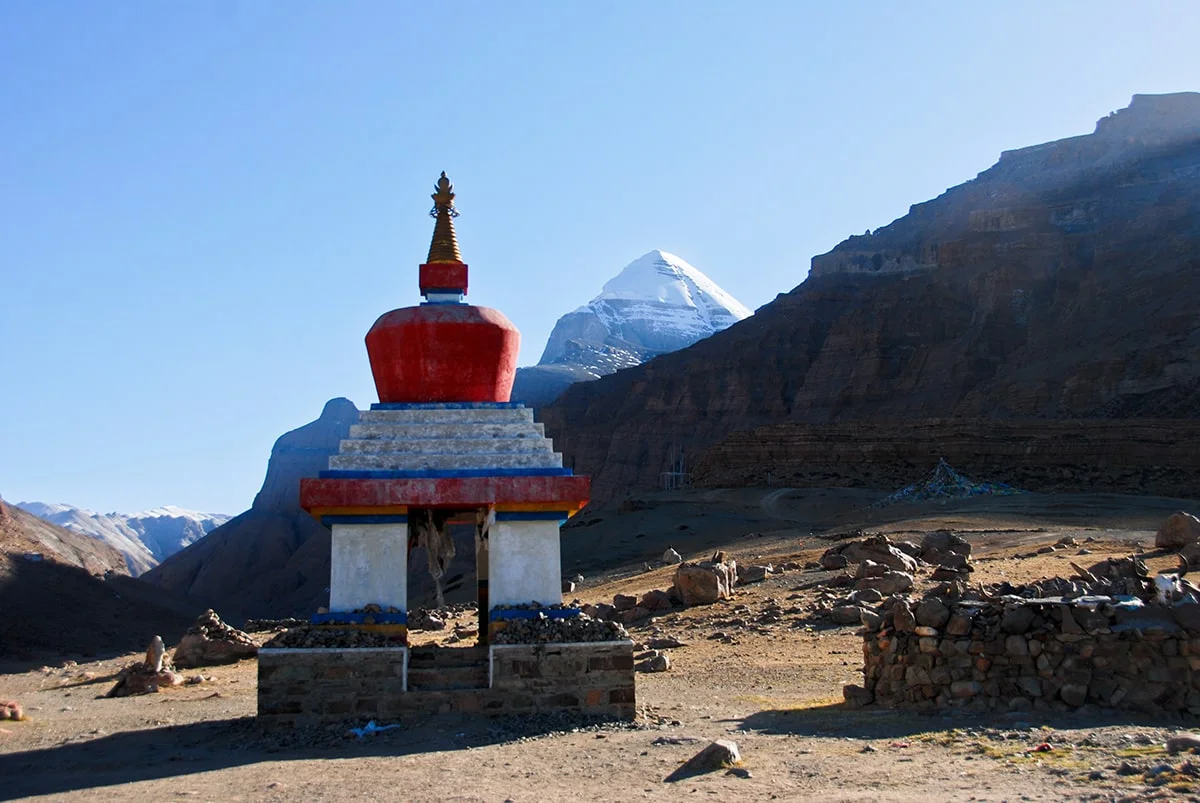
Yam Dwar holds profound significance in the context of the Kailash Mansarovar Yatra, acting as a key spiritual gateway on this sacred journey. In Hindu mythology, it is believed to be the threshold where souls are judged by Yamraj, the god of death. As pilgrims make their way to Mount Kailash, Yam Dwar serves as a place for deep reflection on their lives and spiritual paths. This sacred spot connects the journey to the afterlife, urging participants to reflect on their morality, intentions, and spiritual progress. Visiting Yam Dwar is not only about physical proximity to Mount Kailash but also a spiritual entryway that marks a decisive step toward the divine.
Key Takeaways for the Kailash Mansarovar Yatra:
- Yam Dwar symbolizes the boundary between life and the afterlife, overseeing the judgment of souls, which ties into the pilgrimage’s focus on spiritual purification and introspection.
- It is a crucial pilgrimage stop along the Kailash Mansarovar Yatra, marking a significant point where pilgrims align their intentions before continuing their sacred journey.
- The surrounding landscapes, rich with natural beauty, provide a serene environment for pilgrims to connect with divine energies and contemplate their path toward Kailash.
- Rituals at Yam Dwar, such as offerings and meditation, play a key role in preparing pilgrims mentally and spiritually for the challenges and sanctity of the Kailash journey.
- Preparation for the visit involves aligning one’s heart and mind, engaging in rituals, and understanding the deep spiritual context that Yam Dwar provides for the Yatra.
Mythology of Yam Dwar in the Kailash Mansarovar Context
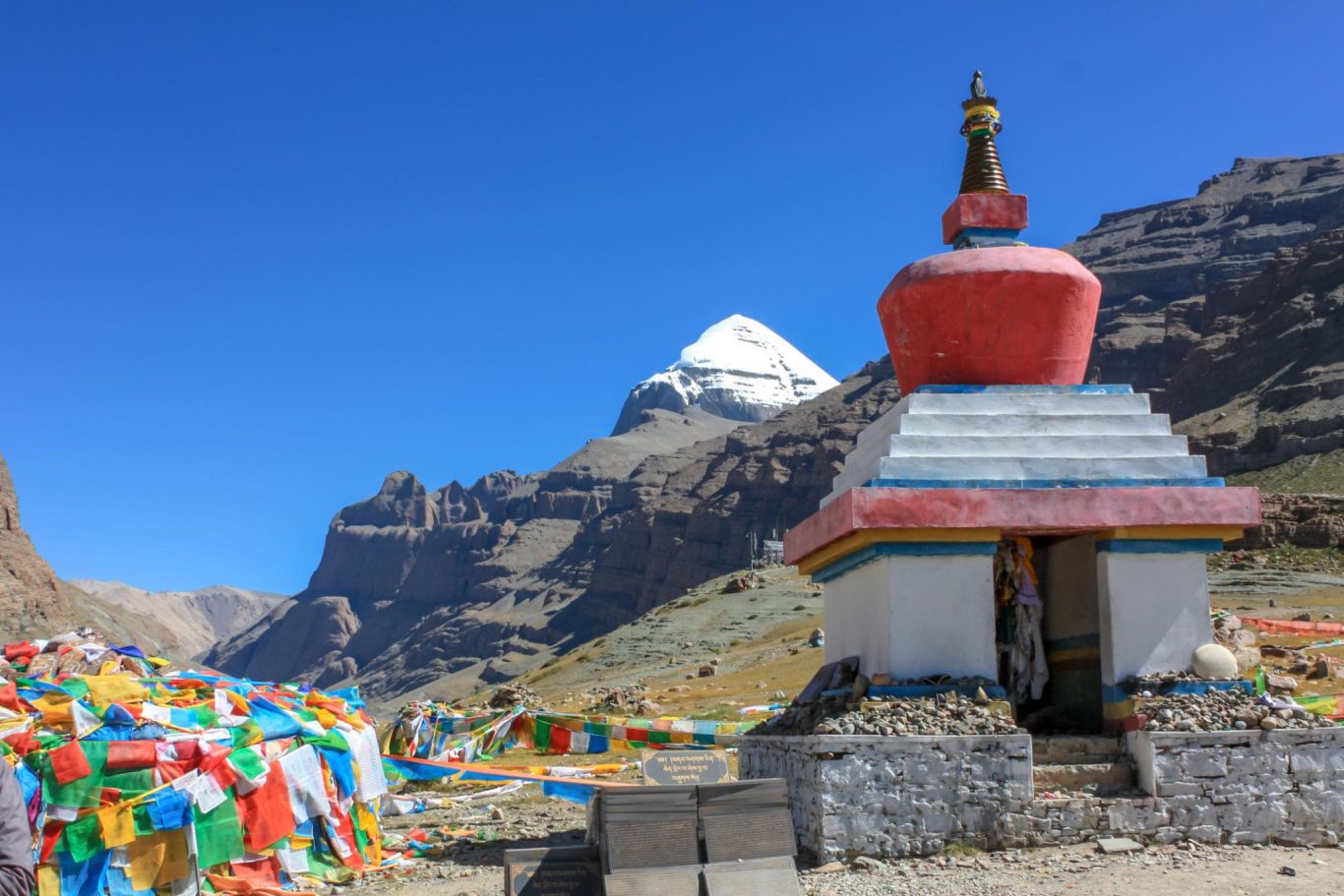
Yam Dwar serves as a spiritual reminder of the moral and ethical consequences of one’s actions, themes that resonate strongly during the Kailash Mansarovar Yatra. As a gateway to the afterlife, Yam Dwar represents a place where souls are judged based on their karma, with Yamraj overseeing the fate of each pilgrim’s soul. This mythological element aligns with the Yatra’s emphasis on spiritual purification, inviting participants to reflect on their actions, seek forgiveness, and prepare for the higher spiritual calling that Mount Kailash represents. For those making the journey to Mount Kailash, Yam Dwar serves as a critical marker, encouraging soul-searching and moral accountability on the path to sacred enlightenment.
Historical Significance of Yam Dwar for Pilgrims
For devotees undertaking the Kailash Mansarovar Yatra, Yam Dwar is more than just a symbolic site; it is a historic pilgrimage point tied to the ancient spiritual traditions that guide this sacred journey. As the starting point for the journey toward Mount Kailash, Yam Dwar serves as the threshold where pilgrims pause, reflect, and engage in the time-honored practices of the Yatra. The rituals and prayers offered here are crucial for mental and emotional preparation, fostering a deep connection to the spiritual aspects of the pilgrimage. The site’s historical significance as a pilgrimage destination reinforces the cultural importance of Yam Dwar in the larger spiritual landscape of the Kailash Yatra.
Spiritual Gateway on the Yatra
Yam Dwar is a sacred entry point into the spiritual realms that pilgrims encounter on the Kailash Mansarovar Yatra. As pilgrims approach this threshold, they are reminded of the sacred journey they are about to undertake, and the spiritual purification they must undergo to move closer to the divine. The space acts as a cleansing ground, where participants symbolically shed their worldly burdens and prepare themselves for the higher spiritual experiences ahead. Many pilgrims report feeling cleansed or spiritually transformed as they cross this gateway, marking the beginning of a profound inner journey.
Pilgrimage Site and Historical Context
Yam Dwar is an integral part of the pilgrimage tradition that has persisted for centuries, offering pilgrims a chance to connect with ancient practices that have guided seekers of spiritual wisdom. As a key landmark on the Kailash Mansarovar route, it represents the resilience of spiritual traditions passed down over generations. The rituals and spiritual practices performed here ensure that the sacred journey to Mount Kailash is both physically and spiritually transformative, reinforcing its role as a vital part of the spiritual tapestry of the Yatra.
Cultural Heritage Preservation
The cultural significance of Yam Dwar goes beyond its physical structure; it is a living testament to the rituals, stories, and traditions of those who have traveled this route for centuries. In the context of the Kailash Mansarovar Yatra, Yam Dwar serves as a guardian of cultural and spiritual heritage, ensuring that pilgrims can engage with the traditional practices that have shaped the Yatra. Preserving this sacred site is integral not only to maintaining the physical space but also to ensuring that the spiritual essence of the pilgrimage is honored by future generations.
Experiencing the Scenic Beauty of Yam Dwar on the Yatra
Yam Dwar’s surroundings offer a stunning backdrop for pilgrims, providing the perfect setting to reflect on their spiritual journey before they continue toward Mount Kailash. The natural beauty of the area is both calming and inspiring, with many pilgrims finding solace in its quiet landscapes before they embark on the more physically demanding stages of the Yatra.
Best Viewing Spots on the Yatra Route
Yam Dwar offers some of the most breathtaking views along the Kailash Mansarovar Yatra. Whether you stand on the edge of a cliff or wander along serene meadows, the vistas invite pilgrims to pause and appreciate the beauty of nature before moving forward on their sacred journey. These scenic points are ideal for reflection and personal connection with the higher purpose of the Yatra.
Ideal Times for Pilgrims to Visit Yam Dwar
For the best experience, pilgrims should time their visit to Yam Dwar during spring or autumn, when the weather is most conducive to reflection and comfort. These seasons offer the ideal balance of moderate temperatures and clear skies, making it easier to focus on the spiritual purpose of the pilgrimage. Early morning visits are also recommended to witness the peaceful atmosphere that enhances the sacredness of the site.
Photography Tips for Capturing the Yatra’s Beauty
Pilgrims often choose to capture the spiritual beauty of Yam Dwar through photography, making use of the golden hour to capture the warmth of the surrounding landscapes. The early morning light offers pilgrims an opportunity to document the scenic beauty while enhancing their connection to the sacredness of the Yatra. By focusing on angles and perspectives, one can preserve moments of introspection and reflection that accompany the journey.
Sacred Rituals at Yam Dwar During the Yatra
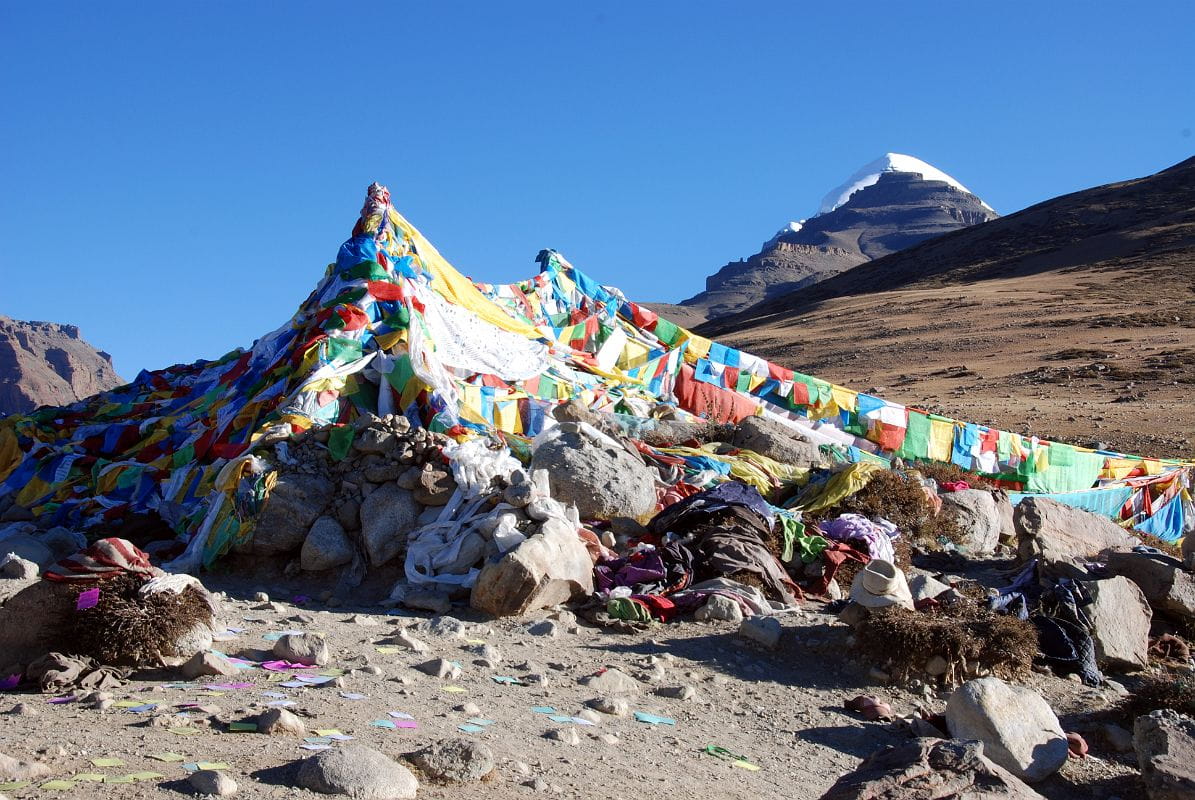
Rituals at Yam Dwar are integral to the spiritual preparation for the Kailash Mansarovar Yatra. Engaging in these rituals not only marks a connection to the divine but also prepares pilgrims to face the challenges of the journey ahead.
- Sacred Offerings: Pilgrims present symbolic offerings, such as flowers and incense, as a sign of reverence and gratitude.
- Purification Rituals: Water purification cleanses the body and soul, preparing pilgrims for the spiritual trials ahead.
- Chanting and Prayers: These practices create a communal atmosphere, inviting pilgrims to unite in devotion and reflection.
Essential Tips for Pilgrims Visiting Yam Dwar
Planning your visit to Yam Dwar involves more than just logistics. It’s about preparing yourself for a spiritual awakening that aligns with the essence of the Kailash Mansarovar Yatra.
- Pack Essentials: Bring comfortable shoes and clothing for the journey, as well as items like sunscreen and a water bottle for convenience.
- Cultural Immersion: Engaging with local culture enhances the spiritual connection and personal growth that the Yatra offers.
- Weather Considerations: Check weather conditions to ensure a comfortable and spiritually enriching visit.
Spiritual Connection at Yam Dwar
To deepen your spiritual experience at Yam Dwar, engage in meditative practices, participate in local rituals, and reflect on your inner journey. This site invites you to not only prepare physically for the Kailash Mansarovar Yatra but also connect spiritually, allowing you to carry these insights throughout the remainder of the pilgrimage.